By Yvette Reinfor, Founder of More Handwriting
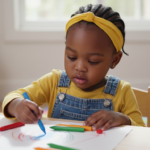
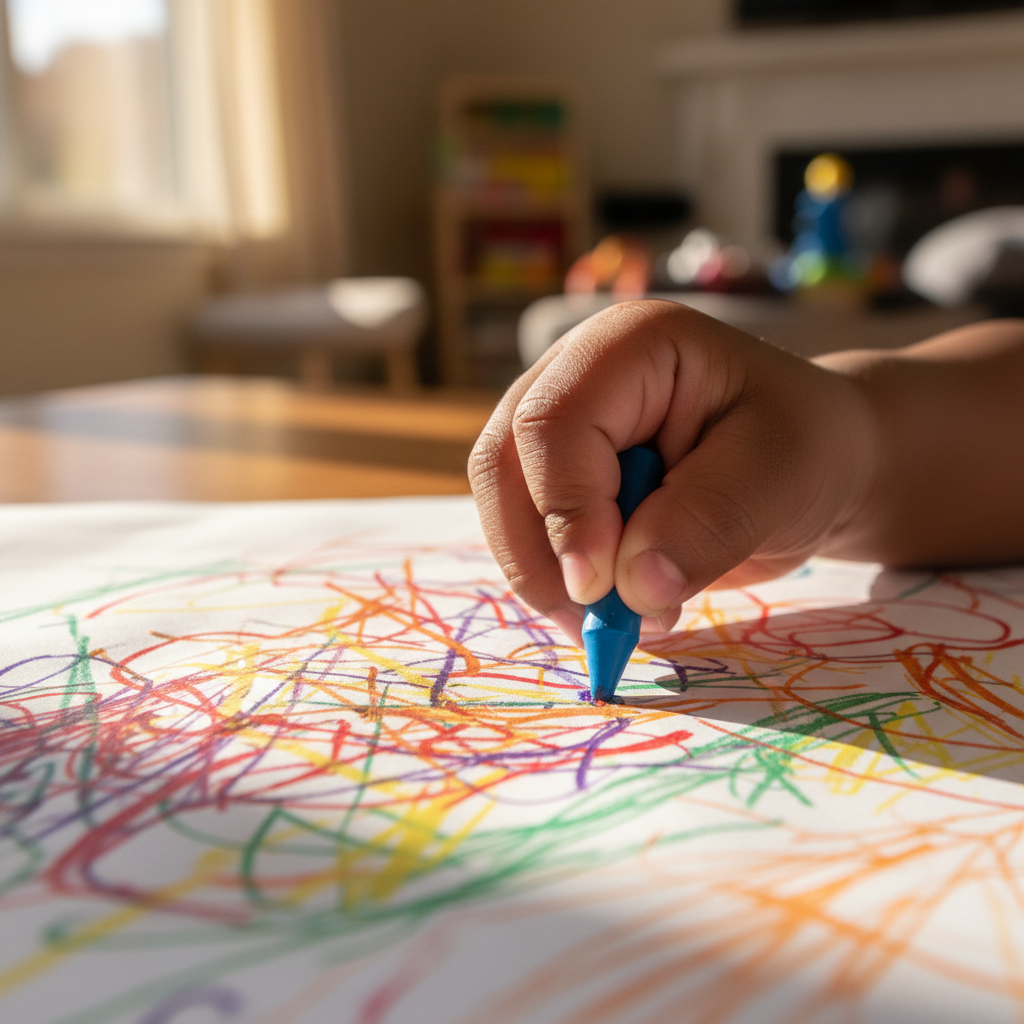
Watch a two-year-old with a crayon and you will see loops, dots, zigzags — marks that look random. But look again when they are a little older, around two and a half, and something has changed.
Ask a child this age to draw a picture and they will fill the page with colour. Ask them to write and the marks look different. Nobody teaches them to do this. They have worked it out on their own.
A cognitive milestone, not a motor skill
This shift is not about pencil grip or hand strength. It is about understanding. The child has grasped that writing and drawing serve different purposes — that they are two different symbol systems. Researchers have documented this in peer-reviewed studies published in the journal Cognitive Development, finding that children make these distinctions before the age of three.
This matters because it is the first step on the road to literacy. Before a child can learn letters, they need to understand what writing is for. Before handwriting instruction makes any sense, this cognitive shift needs to have happened.
What to look for
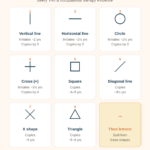
The differences between early writing and drawing attempts are often subtle – both can look like scribbles to an untrained eye. Researchers developed specific methods to identify whether a child has reached this milestone, and that is what The Scribble Report is built on. A 10-minute activity with crayons and paper, analysed against research-based criteria, giving you a clear picture of where your child is.
What if the marks look the same?
There is no cause for concern. Children reach this milestone at different ages. Some show clear differentiation at two and a half. Others take longer. What matters is that they are making marks at all — that they are picking up crayons, experimenting, exploring what marks can do.
The best thing you can do is keep the materials available and let them see you writing. A shopping list on the kitchen counter. A note on the fridge. Children learn that writing has purpose by watching the adults around them use it.
Why this matters for what comes next
This milestone is the foundation for everything that follows in handwriting development. At More Handwriting, it is the reason our Early Writing Starter exists. We built a tool that looks at a child’s marks and tells you whether this cognitive shift has happened — using the same research-based criteria that developmental psychologists use.
We do not look at handwriting in children this young. The motor skills for that are years away. But this early understanding of what writing is? That is something we can see, and something worth knowing about.
If you are curious about where your child is, try the Early Writing Starter. It takes about 10 minutes, uses crayons and paper, and gives you a personalised report.
More Handwriting creates tools for parents and schools that are grounded in developmental research. Visit our homepage to learn more.ge to learn more.